Selling Part of Your Land? Don't Sell the Well That Feeds Your Home
September 28, 2026
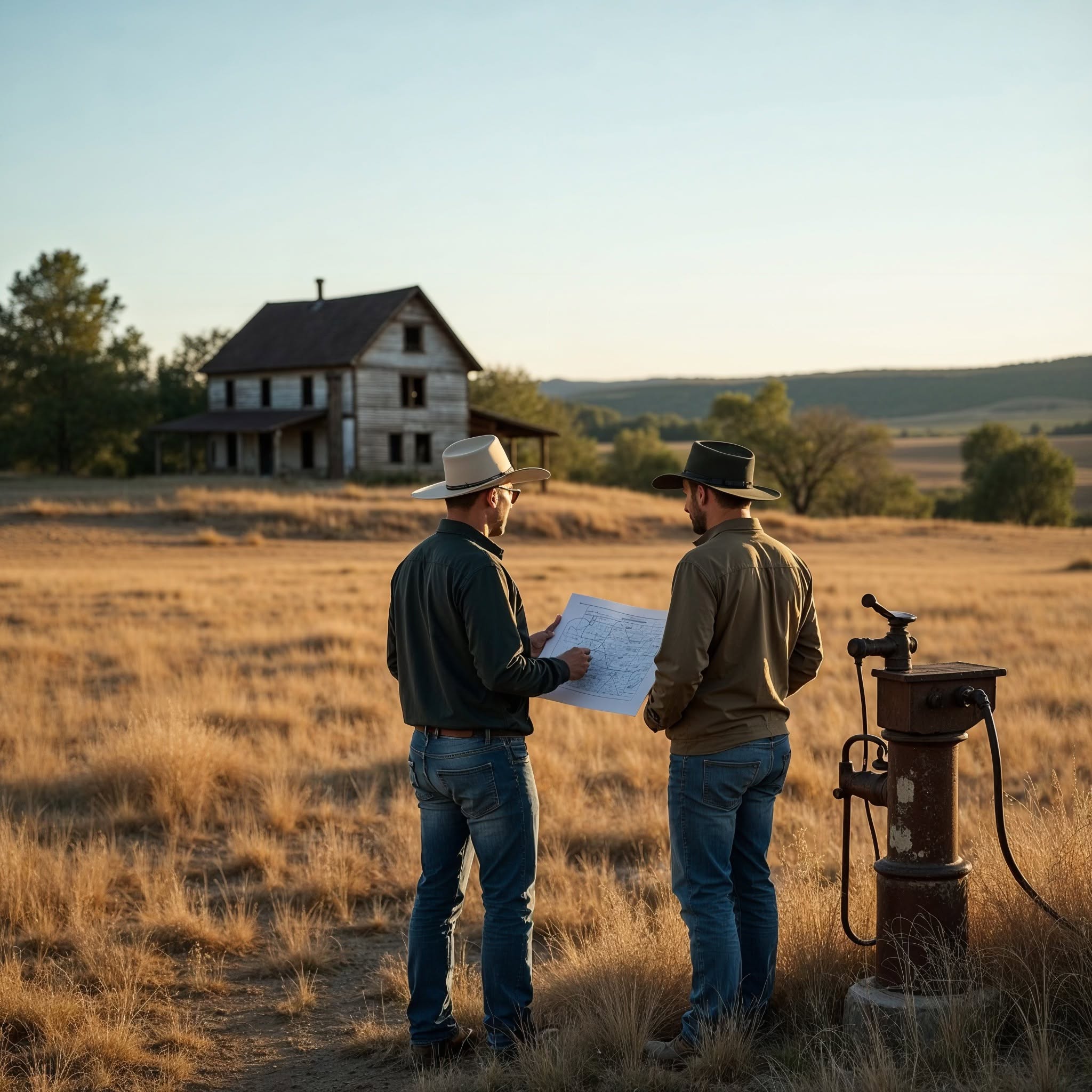
We recently came across a situation that shows how different land transactions are from traditional home sales.
A property owner wanted to sell 10 acres. The parcel had two wells on it. One actively supplied water to the owner's home. The other existed on the property but wasn't in use, and its condition was unknown.
The plan was to sell the 10 acres and record an easement so the homeowner could keep using the well that feeds the house.
-Why that plan creates risk
Selling the parcel that holds your home's well means giving up ownership of one of the most important assets tied to your property. An easement lets you use something you no longer own. That affects your control, your long-term security, and your home's value. If the new owner sells, develops, or disputes the arrangement, your water supply is tied to someone else's decisions.
-The well and the water right are two different things
In Utah, owning a well doesn't automatically mean owning the right to use the water from it. Water rights are separate property, recorded with the Utah Division of Water Rights, and they have to be conveyed on purpose when land changes hands. Before any sale, you need to know which water right serves each well, who holds it, and where it's authorized to be used. Changing where a water right is used, or which well it's diverted from, requires filing a change application with the Utah State Engineer and getting it approved before the change is made.
-Better options
- A proper lot split so the working well stays on the same parcel as the home.
- A lot line adjustment to move the boundary so the water stays tied to the right property.
- A correctly structured shared well agreement, in some cases. It should be recorded and cover maintenance costs, repairs, water usage, and what happens if either property sells.
Each option goes through county or city approval, and the right one depends on zoning, lot size requirements, access, and septic placement.
-Don't forget the second well
An unused well of unknown condition isn't just a detail. It should be evaluated before a sale: tested, repaired and put to use, or properly abandoned by a licensed well driller under state rules. An unknown well affects value and can create liability for whoever owns it next.
-Why it matters
These decisions affect value, future resale, financing, development potential, and long-term usability. Some loan programs have specific requirements for properties that share a well, which can limit who's able to buy later. With land and water, mistakes are often permanent and expensive to fix.
Residential sales and land transactions work under very different rules. Land requires looking at water, water rights, access, parcel layout, and future use together, before decisions are made.
If you're buying or selling land in Utah, especially property with wells or water rights, talk with a Utah water rights attorney or title professional early. And if you're thinking about selling land, we're happy to talk it through with you.